- Home
- Telematics
- What is telematics?
What is telematics?
A complete guide to understanding telematics, how it works and why it matters.
Telematics definition
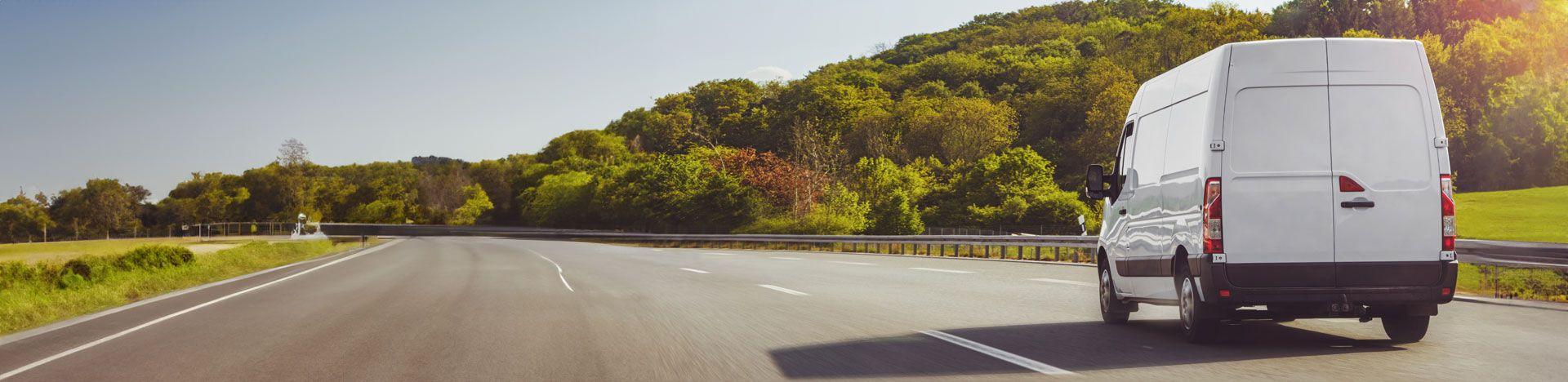
To define telematics, it's the technology that enables vehicles, drivers and fleet managers to share data instantly through telecommunications and informatics. The telematics meaning goes beyond data transfer—it's essential for better fleet management, safety and cost reduction.
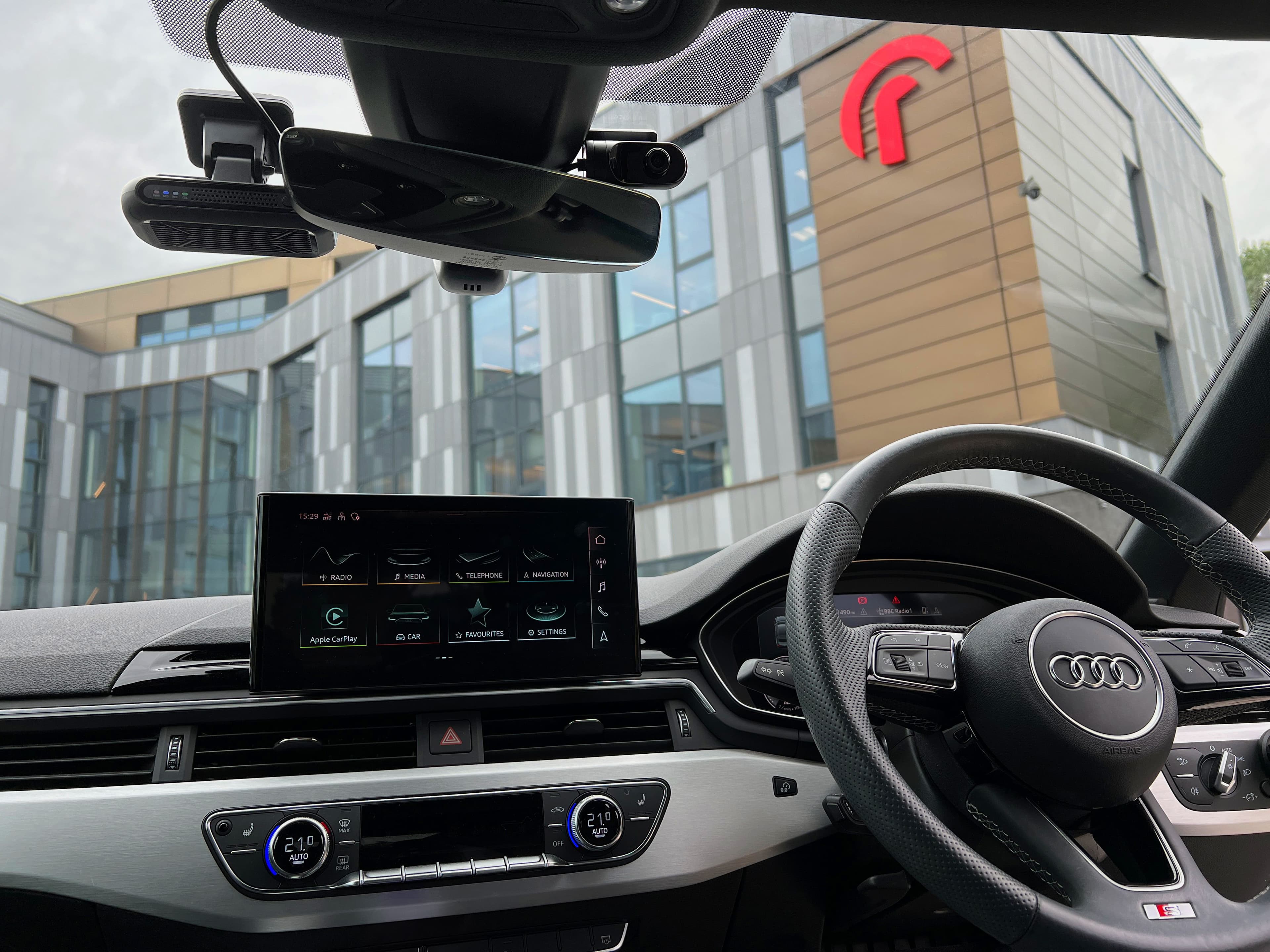
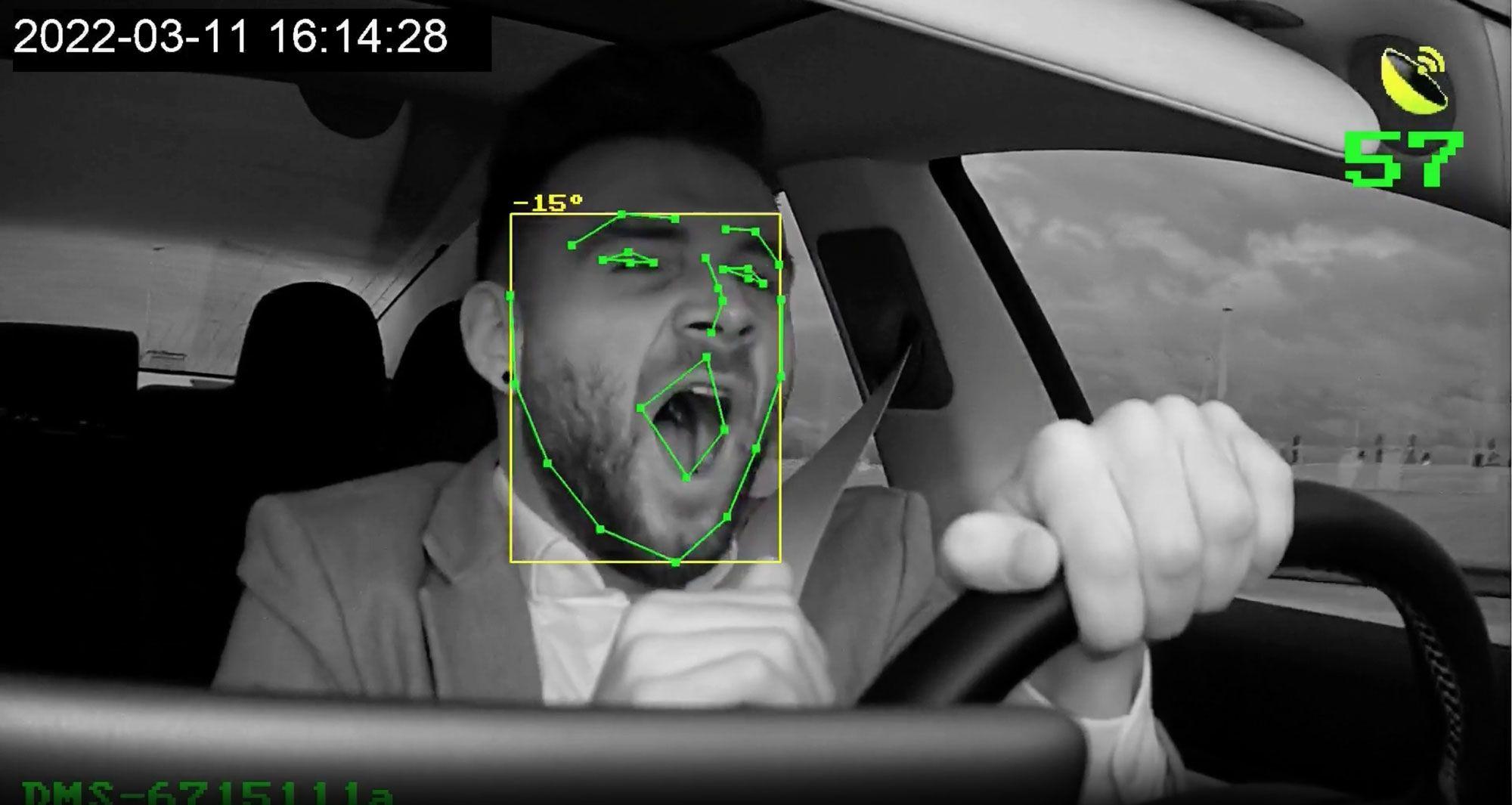
By installing vehicle tracking devices, telematics collects essential data, transforming it into actionable insights. These systems typically track:
- Driver behavior
- Fuel consumption
- Maintenance needs
- Onboard diagnostics
- Vehicle usage
- Vehicle ID
- Sensor data
This data collection helps businesses run more efficiently and significantly cuts costs, providing financial security and efficiency.

The growing importance of telematics
Telematics is worth the investment because it delivers measurable business improvements that lead to smoother operations and fuel savings.
The commercial telematics market size was valued at USD 57.65 billion in 2023. The market is expected to grow from USD 70.13 billion in 2024 to USD 372.33 billion by 2032 (Fortune Business Insights, 2024). This surge in demand highlights how essential it has become for companies aiming to stay competitive and boost efficiency.

Benefits of telematics for businesses
Efficiency
Fleet management technology provides data on vehicle location, fuel use and driver behavior. This information helps improve operations and boosts users' confidence in the system.
Safety
Tracking technology boosts safety by monitoring risky behaviors like speeding and hard braking. A study found telematics reduced severe incidents by 60% and cut speeding by 42% (Boodlal & Chiang, 2014).
Cost savings
By leveraging telematics to match fleet size with actual demand, companies can optimize utilization and reduce fleet size by 15-30%. (McKinsey, 2017).
Sustainability
Fleets using connected vehicle technology have achieved 5-30% fuel savings near signalized intersections by optimizing vehicle trajectories and speed (Kamalanathsharma & Rakha, 2016).
Productivity & growth
Tools like APIs, analytics and hardware add-ons help businesses scale operations, improve productivity and expand fleet management capabilities.
Compliance
Data-driven fleet solutions help businesses meet regulatory requirements by using data for reporting and monitoring.
How does telematics work?
Telematics combines communication technology with software to collect and analyze vehicle data. The software transforms this data into insights into driver behavior, vehicle performance and fuel efficiency.
These insights help fleet managers, auto insurers and other stakeholders make smarter decisions, reduce costs and improve safety.

Core components of a telematics system:
Telematics devices: Devices installed in vehicles, such as sensors and GPS receivers, track speed changes, location and driver behavior.
Telematics software: Analyzes data and offers insights on driver behavior, fuel use and vehicle performance.
Wireless networks: Cellular or Wi-Fi connections send data instantly, essential for fleet management.

Applications of telematics technology
Vehicle tracking technology is vital in many industries, including fleet management, logistics and the automotive industry.
Fundamental applications:
- Fleet management: Fleet management software, including telematics, helps improve driving behaviors and optimize routes, potentially saving up to 30% on fuel in highway driving and 10-40% in stop-and-go traffic through reduced aggressive driving and efficient strategies (U.S. Department of Energy, 2022)
- Insurance: Telematics data enhances insurance pricing accuracy by using actual driving data. This data leads to lower premiums based on driving behavior rather than demographics. (Verbelen et al., 2018).
- Service and delivery: Telematics increases fleet productivity by 10-15% and vehicle utilization by 15-20% while reducing fuel consumption by 20-25% (Frost & Sullivan, 2020).

Industries benefiting from telematics
Telematics offers many benefits for businesses. Live data helps managers plan routes, reduce idle time and even automate maintenance schedules after the initial setup. By automating these processes, companies can positively impact their bottom line through more intelligent, real-time decisions.

Industry insights
How much does telematics cost?
The cost of telematics varies depending on the system's features and size. These systems are usually subscription-based and pricing depends on the number of vehicles and the services included.
Factors influencing costs:
- Fleet size: Larger fleets may have a higher total cost but lower per-unit pricing.
- Features: Advanced features like real-time tracking and driver behavior monitoring increase costs.
- Contract length: Longer contracts often come with discounts.

Challenges and privacy concerns
Although vehicle tracking technology has many benefits, it raises concerns about privacy and data security. Radius helps safeguard your data with robust security measures, ensuring compliance with privacy laws and building customer trust.
Addressing challenges:
- Data security: Radius uses encryption and secure storage to protect against unauthorized access.
- Reliability: Our network solutions ensure consistent data transmission, even in areas with weak coverage.

The future of telematics
Telematics is rapidly evolving with AI, machine learning and 5G advancements. These innovations make the technology more effective. They help businesses collect precise data, perform predictive maintenance and even use augmented reality (AR) for better awareness.
- 5G cellular networks: 5G has boosted real-time data transmission. This improvement enables more reliable and faster communication, which enhances traffic management and safety. These advancements also support applications like vehicle-to-vehicle (V2V) and vehicle-to-infrastructure (V2I) communication.
- Augmented reality (AR) and virtual reality (VR): AR can improve awareness of surroundings by displaying live data directly in the driver’s field of vision. Conversely, VR is a potent training tool, enabling drivers to practice complex scenarios in a safe, virtual environment.
- AI and machine learning: These technologies are crucial in analyzing data. They enable predictive maintenance, improve driver behavior and offer actionable insights for wiser decision-making.
With a range of solutions available, we have something for all business
Why choose Radius for telematics?
Radius offers customized telematics solutions designed to meet your business’s specific needs. With 35 years of experience and a global reach, Radius helps companies grow sustainably with the latest telematics technology.