GPS vs. RFID vs. Barcode: Asset tracking systems comparison
Businesses need to track vehicles, inventory and equipment to stay efficient. GPS, RFID and barcode systems are the most common asset tracking tools. This guide compares them to help improve visibility, data collection and operations.

What is asset tracking technology?
Asset tracking technology helps businesses monitor assets' location and condition. It automates data, reduces errors and improves decisions.
Common asset tracking solutions include:
- GPS asset tracking systems
- RFID asset management
- Barcode inventory control
Each has unique strengths, depending on your needs.
What is asset tracking?
Overview of asset tracking technologies
| GPS tracking | RFID tracking | Barcode tracking | |
| What it is | GPS (Global Positioning System) is a technology for asset tracking. It uses satellites to determine the real-time location data of mobile assets and physical assets. | RFID (Radio Frequency Identification) uses electromagnetic radio waves to identify and track asset tags wirelessly. Many businesses use it for indoor asset tracking and semi-automated processes. | Barcode tracking uses printed labels or QR codes. You can scan them with barcode scanners, smartphones or other devices to track inventory in real time. It's the most common and cheapest option for small to mid-sized businesses. |
| How it works | A GPS tracker communicates with satellites, providing accurate location details even in outdoor environments. GPS links to IoT systems and telematics platforms can gather additional information, such as fuel levels and maintenance history. | RFID tags, powered passively or actively, transmit data to readers. For broader coverage, systems may integrate with Bluetooth Low Energy, smartphones or asset tracking software. | Each asset has a digital profile via a barcode or QR code. Scanned data updates the asset register and integrates with asset tracking systems. The system supports both mobile devices and fixed scanning stations. |
| Common use cases | Fleet management for vehicles & trucks Tracking heavy equipment on construction sites Monitoring valuable assets in transit Global supply chain management | Warehouse inventory tracking Tracking medical equipment, tools and supplies Asset check-in/check-out systems Managing returnable containers in manufacturing | Barcode asset tracking in retail & warehousing Small business inventory control Equipment check-outs for employees Tracking demo products & service truck tools |
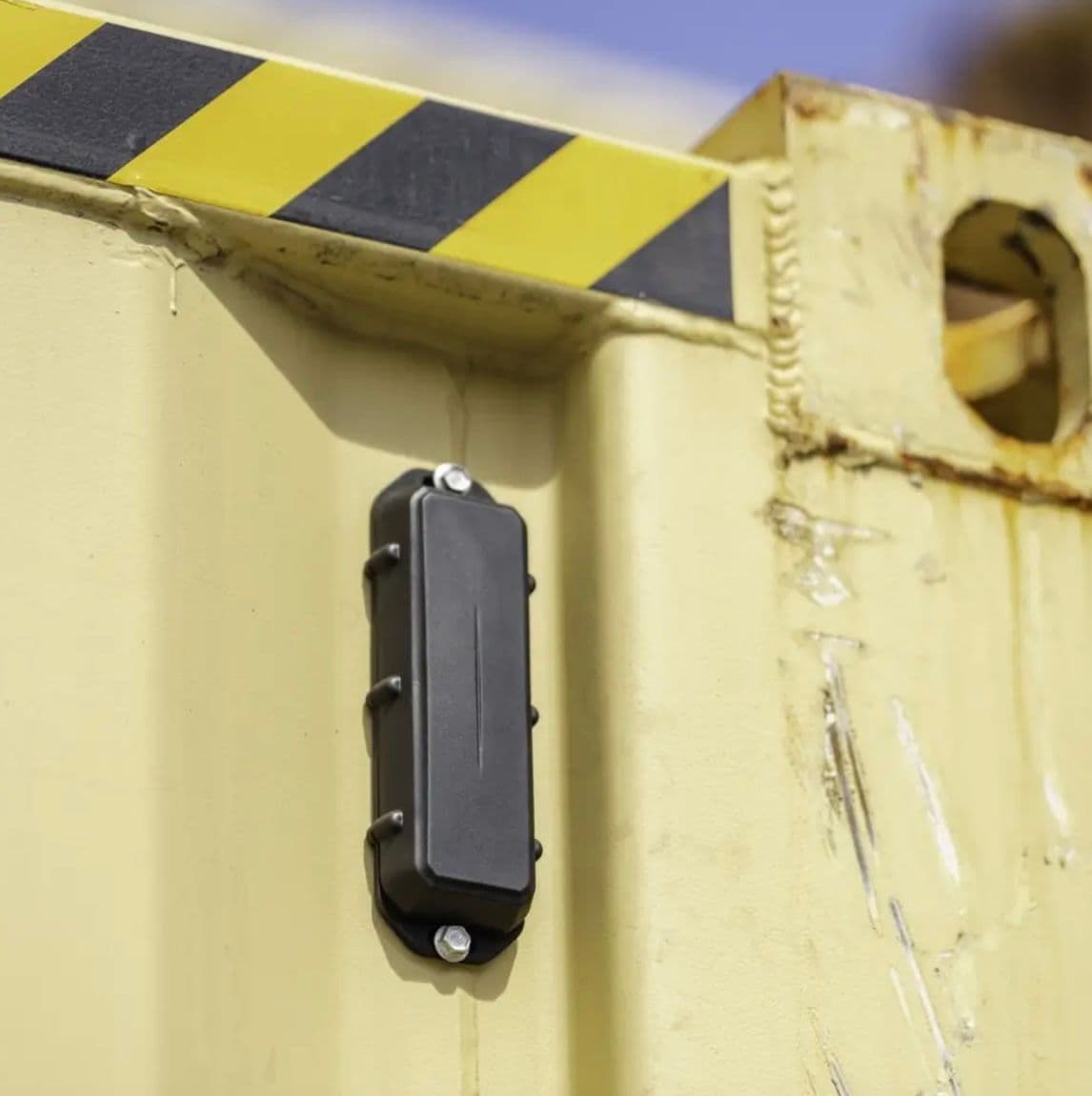
Key advantages of GPS, RFID and barcode tracking for supply chain visibility and real-time location tracking
Advantages of GPS tracking
- Real-time location tracking: Constantly know the exact location of assets.
- Supports outdoor tracking with minimal power consumption.
- Enhanced asset utilization and reduced operational costs.
- Seamless integration with asset management software and accounting software.
- Supports data-driven decisions for business owners.
- Improves theft prevention and asset recovery.
- Effective in harsh conditions, broad geographical position coverage.
Advantages of RFID tracking
- Fast, contactless scanning: Scans multiple tags at once without direct sight.
- Suitable for a variety of environments.
- Supports preventative maintenance schedules by recording asset status.
- Enhances inventory accuracy, reducing asset loss and errors.
- Scalable for businesses handling a wide range or volume of assets.
- Compatible with back-end asset tracking systems.
- Provides visibility of asset movement across facilities.
- Moderate asset tracking costs, offering ROI over time.
Advantages of Barcode tracking
- Low initial costs: Ideal for small to medium sized businesses with limited budgets.
- Simplifies inventory tracking and audits.
- Highly scalable and accepted across industries.
- Easy integration with asset management software and regular asset transactions.
- Speeds up operations, improving customer satisfaction.
- Supports tracking in indoor tracking scenarios.
- Effective for assets with shorter lifecycles or frequent movements.
- Easy to pair with asset tracking vendors offering tailored solutions.

Disadvantages of GPS, RFID and barcode tracking for visibility and theft prevention
Disadvantages of GPS tracking
- GPS trackers need reliable power. Weak battery life may stop real-time tracking.
- Less effective for indoor tracking due to signal loss or interference from walls and structures.
Disadvantages of RFID tracking
- Passive RFID tags have a limited reading range, typically just a few feet, making them unsuitable for long-range real-time tracking.
- Metal objects and liquids may interfere with the energy in radio frequency signals, reducing system efficiency.
- Complex installation and calibration require trained staff, adding to the process of tracking overhead.
Disadvantages of Barcode tracking
- Barcode scanning requires manual labor and line of sight visibility, which can slow down workflows.
- Offers no inherent real-time location data unless combined with mobile apps or connected systems.
- Limited data capacity compared to RFID or GPS. They cannot store detailed asset information like asset conditions, maintenance history or lifecycle status.
Implementation considerations for automation, ROI and alerts
When deciding on an asset tracking technology, businesses should evaluate:
- Budget: Barcode is the most affordable, while RFID and GPS cost more upfront.
- Environment: RFID is better for indoor environments; GPS excels outdoors.
- Real-time needs: GPS provides live tracking. RFID and barcodes may offer batch or manual updates.
- Integration: All can integrate with IoT telematics solutions for automated data collection. You can also pair GPS tracking with vehicle cameras for extra security.
Choosing the right solution depends on how quickly your business needs to react. Real-time data helps businesses make faster decisions, improve efficiency and stay competitive (Forbes).

Comparing GPS, RFID and barcode tracking: Which one should you choose?
| Feature | GPS tracking systems | RFID asset management | Barcode inventory control |
| Real-time location tracking | Yes | Limited to facility boundaries | No |
| Cost | High initial investment | Moderate | Low |
| Data collection | Automated + detailed | Automated | Manual scanning |
| Best for | Fleet & field assets | Warehouses, factories | Retail and small inventory systems |
| Integration with telematics | Excellent | Strong | Possible |
Integrating asset tracking with telematics solutions
Any business can benefit from combining asset tracking and telematics to improve visibility and lower costs. Statista reports the IoT asset tracking market is growing as more businesses adopt real-time solutions.
- Fleet businesses benefit most from fleet management solutions that use GPS tracking systems.
- Warehouses and factories gain efficiency through RFID asset management.
- Retail and SMBs find barcode inventory control cost-effective and reliable.
At Radius, we offer fleet management solutions that link GPS, RFID and barcode tracking to advanced telematics platforms.
Get a quote

GPS asset tracking from Radius
At Radius, we help businesses track assets using GPS solutions that combine reliable hardware and easy-to-use software.
Frequently asked questions
Can’t find an answer to your question? Talk to the Radius customer support team at 888-278-9781. We’re here to help you with any questions or concerns.